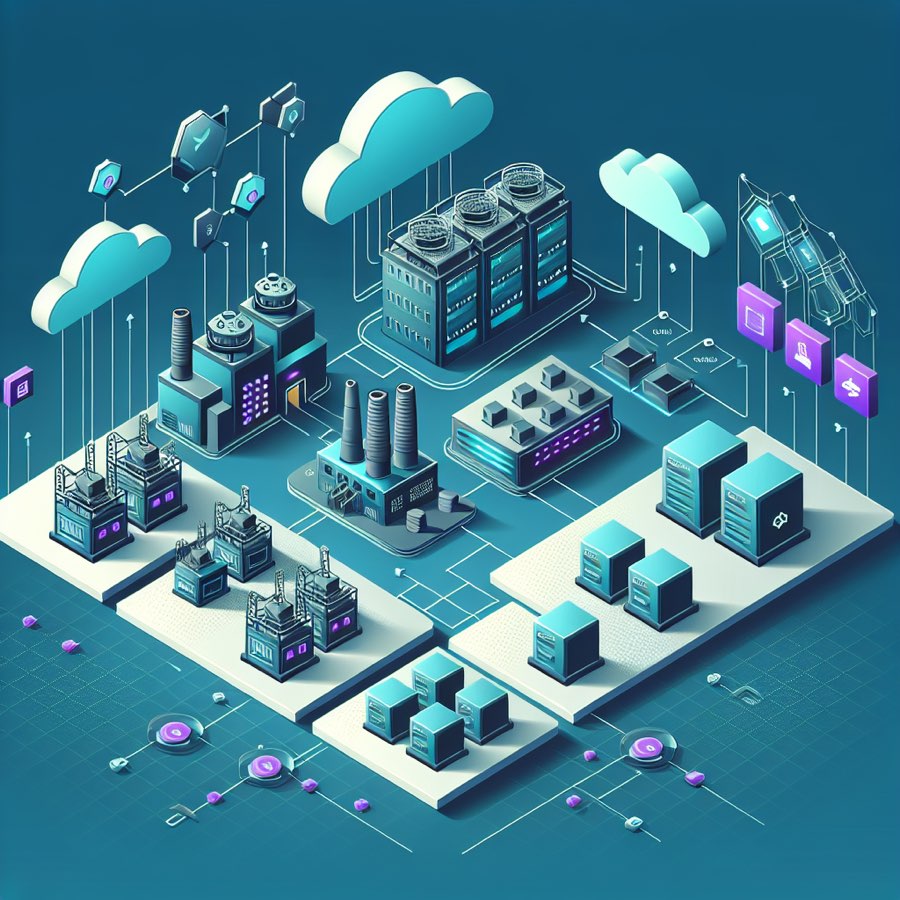
Achieving ECC-2:2024 ECC 2-6-3 involves both defending the container supply chain and enforcing application control at runtime: this post walks through concrete, prioritized steps you can implement today — from build-time hardening and image signing to runtime admission policies and host-level app allowlisting — with practical examples for small businesses and evidence collection for auditors.
Understanding Control 2-6-3 and the scope for ECC-2:2024
Control 2-6-3 requires organizations to limit execution of unauthorized containers and applications, ensure images are verified and free of known vulnerabilities, and enforce runtime restrictions that reduce attack surface. For ECC-2:2024 assessments you must show repeatable processes (CI/CD policies, image signing, SBOMs), technical enforcement (admission controllers, runtime detections, host controls), and logging/retention of enforcement outcomes for audit trails.
Practical implementation steps — build-time and image supply chain
Build-time controls (what to implement in CI/CD)
Start by shifting left: integrate static image scanning, SBOM generation, and image signing into the pipeline. Example toolchain: use Docker/BuildKit or kaniko for builds, generate an SBOM with syft, scan with Trivy or Grype, fail the pipeline on critical/high CVEs, and sign images with cosign or Notation. In GitHub Actions or GitLab CI, add stages: build → sbom → scan → sign → push. Store signatures and SBOM artifacts in your artifact store and retain scan reports for your compliance evidence retention window (e.g., 1 year).
Runtime controls (admission, policy, and host hardening)
Enforce policies in the cluster using admission controllers (Kyverno or OPA Gatekeeper) to require signed images, approved registries, mandatory imagePullPolicy, non-root users, readOnlyRootFilesystem, and resource limits. Example Kubernetes securityContext snippet to enforce in manifests or via policy: runAsNonRoot: true, runAsUser: 1000, readOnlyRootFilesystem: true, capDrop: ["ALL"], seccompProfile: { type: "RuntimeDefault" }. For environments using managed services (EKS, AKS, GKE), enable Pod Security Admission or Gatekeeper constraints; for host-based containers (Docker on a VM), use container runtime options and host LSMs (AppArmor, SELinux) and seccomp profiles to reduce syscall exposure.
Small-business scenario: pragmatic, low-cost rollout
Small businesses can implement core controls with minimal staff and budget by using hosted CI and managed Kubernetes/Fargate. Example rollout: 1) Configure GitHub Actions to run Trivy + syft and auto-fail on critical vulnerabilities, 2) Use GitHub Container Registry or a cloud artifact registry with required image signing, 3) Deploy a single Kyverno policy to enforce signed images and runAsNonRoot, 4) Install Falco for runtime anomaly detection and forward alerts to a shared Slack channel. This combination provides visible supply-chain enforcement, runtime detection, and straightforward evidence (pipeline logs, signed manifests, Falco alerts) for ECC-2:2024 auditors.
Technical configuration examples and commands
Concrete commands you can adopt quickly: generate an SBOM and scan locally before pushing:
# Generate SBOM
syft packages docker:your-image:latest -o json > image.sbom.json

# Scan image for vulnerabilities
trivy image --format json --output trivy-report.json your-image:latest

# Sign image with cosign (using OIDC/Keyless or private key)
cosign sign --key cosign.key your-registry/your-image:latest
And a minimal Kubernetes securityContext example to enforce in manifests or via a policy:
securityContext:
  runAsNonRoot: true
  runAsUser: 1000
  readOnlyRootFilesystem: true
  allowPrivilegeEscalation: false
  capabilities:
    drop: ["ALL"]
  seccompProfile:
    type: RuntimeDefault
Compliance tips, evidence collection, and risks of not implementing
Tip: automations create repeatable evidence — keep pipeline logs, signed images, SBOM files, policy audit logs, and runtime alerts in a central location (cloud storage with immutability or SIEM). Implement retention and tamper-evidence policies (object lock or WORM). Best practices: use least privilege for registry access (short-lived credentials), rotate cosign keys and record key management controls, and run periodic re-scans of images in registries. Risk if you skip these controls: undetected vulnerable images and unsigned supply-chain artifacts allow supply-chain compromise, privilege escalation from containers running as root, lateral movement across infrastructure, and potential regulatory penalties during ECC-2:2024 audits due to lack of demonstrable controls and audit trail.
Summary and next steps
To meet ECC-2:2024 ECC 2-6-3, prioritize build-time SBOM and scanning, require image signing and provenance, enforce runtime policies via admission controllers, harden container securityContext and host LSMs, and collect evidence into a centralized, retained store. For small businesses, start with a minimal toolset (Trivy, syft, cosign, Kyverno/Falco) and expand into commercial runtime protections as your risk profile demands. Implementing these steps converts the control from a box-checking exercise into a measurable, auditable security posture that meaningfully reduces supply-chain and runtime risks.